PMS vs PMDD: What’s the Difference (And When Should You Be Concerned?)
Is it just PMS — or something more? Learn the key differences between PMS and PMDD, symptoms to watch for, and when to seek professional support.
1/30/20262 min read
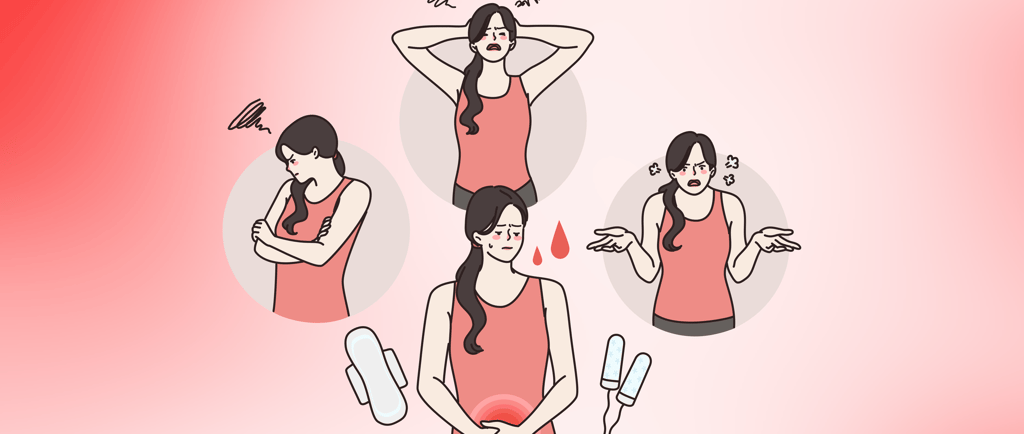
Most women experience PMS at some point.
Mood swings.
Bloating.
Cravings.
Fatigue.
But what if your symptoms feel overwhelming?
What if they disrupt your work, relationships, or mental health?
That’s where PMDD comes in.
Let’s break down the difference between PMS and PMDD — and how hormones play a role.
What Is PMS?
PMS stands for Premenstrual Syndrome.
It happens during the luteal phase of your cycle — typically 7–10 days before your period starts.
PMS is caused by normal hormonal fluctuations, especially:
A drop in progesterone
Changes in estrogen
Shifts in serotonin
Common PMS Symptoms:
Mild mood swings
Breast tenderness
Bloating
Headaches
Sugar cravings
Fatigue
Symptoms usually improve once your period begins.
For most women, PMS is uncomfortable — but manageable.
What Is PMDD?
PMDD stands for Premenstrual Dysphoric Disorder.
It’s considered a severe form of PMS — but it’s more than just “bad PMS.”
PMDD involves an extreme sensitivity to normal hormone fluctuations.
It’s not caused by abnormal hormone levels.
It’s caused by how your brain responds to those changes.
Common PMDD Symptoms:
Severe depression before your period
Intense anxiety or panic
Irritability or rage
Hopelessness
Brain fog
Extreme fatigue
Feeling out of control
These symptoms:
Appear 1–2 weeks before menstruation
Improve once bleeding starts
Repeat monthly
If symptoms interfere with daily life, PMDD may be involved.
PMS vs PMDD: Key Differences
The main difference between PMS and PMDD is severity and how much symptoms affect daily life.
PMS usually causes mild to moderate symptoms like mood swings, bloating, fatigue, or cravings. It can be uncomfortable, but most women can still function normally.
PMDD is more intense. It involves severe emotional symptoms such as depression, anxiety, irritability, or rage that significantly disrupt work, relationships, and overall wellbeing in the week or two before a period.
In short, PMS is manageable. PMDD can feel overwhelming and debilitating.
If your premenstrual symptoms regularly interfere with your ability to function, it may be more than PMS.
Why Do PMS and PMDD Happen?
Both conditions are linked to:
Estrogen fluctuations
Progesterone decline
Serotonin sensitivity
If you also experience:
3AM wakeups
High stress levels
Stubborn belly fat
Stress and cortisol may be amplifying your symptoms.
Hormones don’t work in isolation.
When Should You Seek Help?
Consider speaking with a healthcare provider if:
You dread your cycle every month
Symptoms feel uncontrollable
You experience dark or intrusive thoughts
Your relationships suffer
PMDD is treatable — and support exists.
You are not “overreacting.”
And you are not weak.
Can PMS or PMDD Improve Naturally?
Lifestyle changes can help regulate hormonal shifts:
🥩 Stabilize Blood Sugar
Protein at meals may reduce mood swings.
🌿 Reduce Chronic Stress
Lowering cortisol may soften premenstrual symptoms.
🌙 Support Sleep
Sleep disruption worsens emotional reactivity.
🧘 Nervous System Regulation
Breathing exercises and evening wind-down routines matter more than you think.
(Always consult a qualified healthcare provider before making medical decisions.)
Final Thoughts
PMS is common.
PMDD is more serious.
The difference isn’t about toughness — it’s about intensity and impact.
If your cycle feels overwhelming, your body may be asking for support.
Listening to those signals is the first step toward balance.
👉 Related: 7 Signs Your Hormones Are Out of Balance
👉 Related: 10 Signs of High Cortisol in Women
You might also like
Connect
Questions? Reach out anytime, we're here.
support@herhormoneclarity.com
© 2025. All rights reserved.