7 Signs Your Hormones Are Out of Balance (And What To Do About It)
Feeling tired, anxious, or not like yourself? Discover 7 common signs of hormone imbalance in women — and simple steps you can take to feel balanced again.
1/15/20263 min read
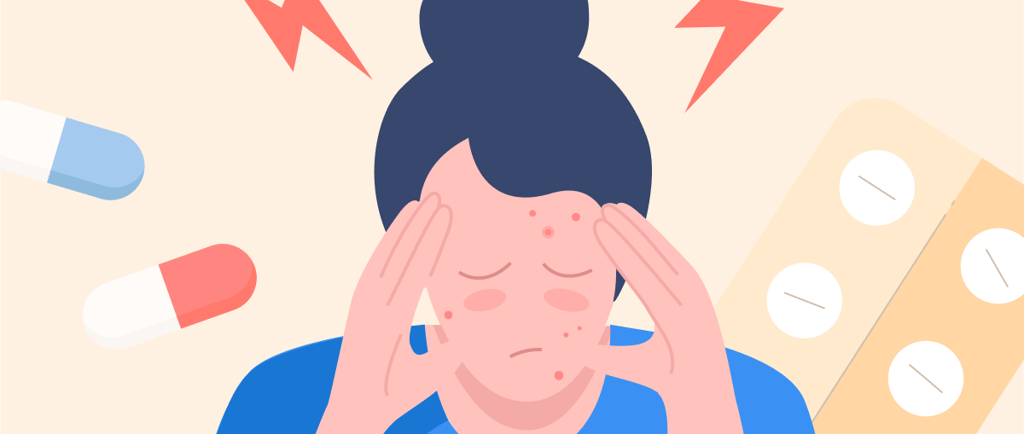
You’re sleeping. You’re eating “healthy.” You’re trying your best. And yet… You don’t feel like yourself.
Not sick. Not broken. Just… off.
If you’ve been feeling tired, anxious, bloated, or mentally foggy — your hormones may be the missing piece.
Hormones regulate:
Energy
Mood
Sleep
Metabolism
Stress response
Fat storage
Libido
When they’re even slightly out of sync, your whole body feels it.
Here are 7 common (and often overlooked) signs of hormone imbalance in women.
1. You’re Always Tired — Even After Sleeping
You wake up exhausted. You rely on caffeine. You crash mid-afternoon. This can be linked to a disrupted cortisol rhythm.
Healthy cortisol should be:
Higher in the morning (to wake you up)
Gradually lower at night (to help you sleep)
Chronic stress, poor sleep, and blood sugar instability can flatten this curve.
You may feel:
Wired at night
Tired during the day
Restless but drained
Gentle support many women explore:
Morning sunlight exposure
Eating protein within 60 minutes of waking
Consistent sleep times
Evening nervous system support
Some women use magnesium glycinate for nervous system support in the evening to help promote relaxation and deeper sleep quality.
Magnesium isn’t a magic fix — but for stress-driven fatigue, it can support the body’s natural wind-down process.
2. Stubborn Belly Fat (Especially Around the Lower Abdomen)
You’re eating well. You’re trying to move more but your midsection won’t budge.
Hormonal belly fat often links to:
Elevated cortisol
Insulin resistance
Estrogen-progesterone imbalance
This type of weight gain tends to concentrate around the lower abdomen.
It’s not just about calories. It’s often about stress signaling. Chronic stress tells your body to store energy — particularly around the midsection.
Helpful foundations include:
Strength training 2–3x per week
Walking after meals
Prioritizing protein
Reducing chronic stress load
If this resonates, you may also want to read:
Hormonal Belly Fat: Why It Happens
3. Anxiety That Came Out of Nowhere
You were handling life fine… Then suddenly your baseline anxiety shifted.
Hormones influence neurotransmitters.
Estrogen affects serotonin
Progesterone has calming properties
When progesterone drops or estrogen fluctuates, anxiety can increase — especially in the second half of your cycle.
You may notice:
Increased sensitivity before your period
Racing thoughts at night
Feeling overstimulated more easily
Stress management becomes critical here. Some women explore ashwagandha for stress support as part of a broader cortisol-balancing approach.
Adaptogens don’t replace lifestyle foundations — but they can support resilience when stress is chronically high.
4. You Wake Up at 3AM
You fall asleep fine. Then suddenly you’re awake between 2–4AM. Wide awake. Alert. Thinking.
This pattern is commonly associated with:
Blood sugar dips
Cortisol spikes
Nervous system hyper-alertness
If your body perceives stress, it may trigger a cortisol rise in the early morning hours. This isn’t random. It’s often a sign your stress response needs support.
We go deeper into this here:
Why You Wake Up at 3AM (And What Your Hormones Are Trying to Tell You)
5. PMS Has Gotten Worse
Your period used to be manageable.
Now it feels heavier — emotionally or physically.
You may notice:
Stronger mood swings
Irritability
More intense cramps
Breast tenderness
Headaches
Hormone shifts are influenced by:
Chronic stress
Sleep deprivation
Blood sugar instability
Nutrient depletion
Worsening PMS is often an early warning sign — not something to ignore.
If you’re unsure whether your symptoms fall within normal PMS or something more severe, read:
PMS vs PMDD: What’s the Difference?
6. Brain Fog
You lose words mid-sentence. You forget simple things. You feel mentally slower than usual.
Estrogen plays a role in cognitive clarity and neurotransmitter balance.
Thyroid function can also influence mental sharpness.
If brain fog feels new or persistent, it may be worth exploring hormone-related causes — especially if it appears alongside fatigue or cycle changes.
7. Low Libido
Often overlooked. Rarely talked about. But libido is strongly hormone-driven.
High cortisol, low progesterone, fluctuating estrogen, and chronic stress can all suppress desire.
Low libido isn’t a personality flaw. It’s often physiological and it’s reversible when underlying stress patterns are addressed.
What To Do Next
If several of these signs feel familiar, don’t panic. Most hormone imbalances are not permanent conditions. They’re patterns.
Start with foundations:
Stabilize blood sugar (protein at every meal)
Prioritize sleep
Reduce late-night stimulation
Strength train
Walk daily
Support stress recovery
Small consistent changes regulate hormones more effectively than extreme resets.
When To Consider Testing
If you experience:
Missing cycles
Severe depression before periods
Extreme fatigue
Rapid unexplained weight changes
It may be time to consult a healthcare professional for hormone testing.
Bloodwork can assess cortisol patterns, thyroid markers, and sex hormone balance.
Final Thought
Your body is not broken. It’s communicating.
Hormones don’t randomly fail — they respond to stress, sleep, nutrition, and environment and when you support those systems, balance often follows.
If you suspect cortisol may be a key factor, continue here:
10 Signs of High Cortisol in Women (The Stress Hormone Problem)
You might also like
Connect
Questions? Reach out anytime, we're here.
support@herhormoneclarity.com
© 2025. All rights reserved.